• Median Home Price By State: How Much Do Houses Cost?

    Median Home Price By State: How Much Do Houses Cost?

    As someone who's guided buyers and sellers through changing markets since 1985, I always keep a close eye on home price trends to help you make smart, confident decisions. In July 2026, the U.S. median price for single-family homes reached $418,610—up 3.93% from last year—even as mortgage rates climbed to 6.66%. Washington, D.C. currently tops the list with a median price of $1,342,343. Whether you're preparing to sell, searching for the right home, or considering your options as a senior or downsizer, understanding these numbers can make a real difference in your strategy. My commitment is to keep you informed and protected at every step, so you feel secure in your real estate choices.

    Continue to full article

  • Cities with the fastest-growing home prices in the Columbus, Georgia metro area

    Cities with the fastest-growing home prices in the Columbus, Georgia metro area

    As someone who has spent decades guiding home buyers and sellers through the changing real estate landscape, I keep a close eye on metro areas like Columbus, GA-AL, where home prices are showing remarkable resilience and variety. Prices in this region currently span from $57,000 to $393,000, with some communities experiencing declines, yet others have seen impressive growth—up to 13.2% in just one year. Over the past five years, values have climbed by 41.9%, all while mortgage rates have been on the rise. These numbers highlight how dynamic and localized real estate trends can be, and why staying informed is key to making smart decisions about your next move or investment. My approach has always been to protect and guide my clients—especially those navigating big life changes—so they can move forward with confidence, even as the market shifts.

    Continue to full article

  • New vs. Existing Home Prices: What the National Median Misses

    New vs. Existing Home Prices: What the National Median Misses

    One trend that's important for home buyers and sellers to understand: in Q2 2026, the median price for a new single-family home was $410,700—actually $25,000 less than the median price for existing homes, which stood at $435,700. This might surprise those who assume new always means pricier. This shift is largely due to a tight inventory of existing homes and a move by builders to focus on more modest, affordable new builds, especially in the South and West. As someone who has spent decades guiding clients through these changes—whether you're seeking your first home, downsizing, or exploring new construction—I'm here to help you navigate what these numbers mean for your next move. Smart real estate decisions start with understanding the stories behind the statistics.

    Continue to full article

  • US Buyers Navigate 14-Month Cost High

    Navigating today’s real estate market can feel daunting, especially as the typical US buyer’s monthly payment has now reached $2,600—a 14-month high. With mortgage costs rising and the national median sale price up about 2% year-over-year to nearly $399,000, affordability remains a top concern for many families and seniors considering their next step. Pending sales have stayed steady month-over-month but are still lower compared to last year, reflecting the challenges buyers and sellers face right now.

    Even as mortgage-purchase applications dipped slightly and new listings slowed around the holidays, the overall number of homes on the market has improved, with active supply up 2% year-over-year to 1.5 million homes—close to four months of inventory, though still short of a truly balanced market.

    Seller strategy makes a real difference: about 21% of active listings have reduced their prices recently. From my years helping buyers and sellers in Northeast Atlanta, I know that thoughtful, realistic pricing attracts more attention and avoids hesitation from potential buyers.

    My focus remains on keeping you well-informed and confident, whether you’re planning to buy, sell, downsize, or navigate a major life transition. It’s more important than ever to make clear, smart decisions as the landscape shifts.

  • Could U.S. Rates Stay Higher in 2027?

    Lately, I’ve been following the ongoing conversation about where U.S. interest rates might be headed in the next few years. With inflation lingering and long-term Treasury yields staying elevated, it’s becoming less certain that we’ll see a quick return to those historically low interest rates. The Federal Reserve is juggling the challenge of containing inflation while also watching signs of economic slowdown. This delicate balance means higher long-term yields could keep borrowing costs up—for homebuyers, sellers, and anyone considering a move or investment in housing and commercial real estate.

    As someone who’s helped clients navigate changing markets since 1985, I know how important it is to stay informed and think carefully about timing and financing. Today’s environment calls for a thoughtful approach, especially as rate uncertainty and broader economic pressures continue to shape the market. Whether you’re buying, selling, or planning your next real estate step, understanding these factors can make all the difference in making confident, smart decisions.

  • U.S. Home Prices Ease Across Major Metros

    As someone who’s guided clients through all sorts of market cycles since 1985, I’m always watching the bigger shifts that shape our decisions here in the Northeast Atlanta area. Right now, we’re seeing some notable changes: in Mid-Q3, the price per square foot dropped year-over-year in 36 out of the 50 largest U.S. metro areas, signaling a broader cooling trend. Nationally, that same price measure slipped about 2% compared to last year—marking the tenth straight month of this softening. Sellers are adjusting their expectations, with some cutting their asking prices more sharply to meet buyers closer to the middle. High mortgage rates are still putting pressure on affordability, especially in places that boomed during the pandemic. Interestingly, inventory in many of those markets is now above pre-pandemic levels, leading some of those areas to give back a portion of their rapid gains. My focus remains on helping clients make informed, confident decisions—whether you’re maximizing the value of your home, planning your next move, or navigating a major life transition. If you’re feeling uncertain about what these trends mean for you, know that guidance and protection are always my top priorities.

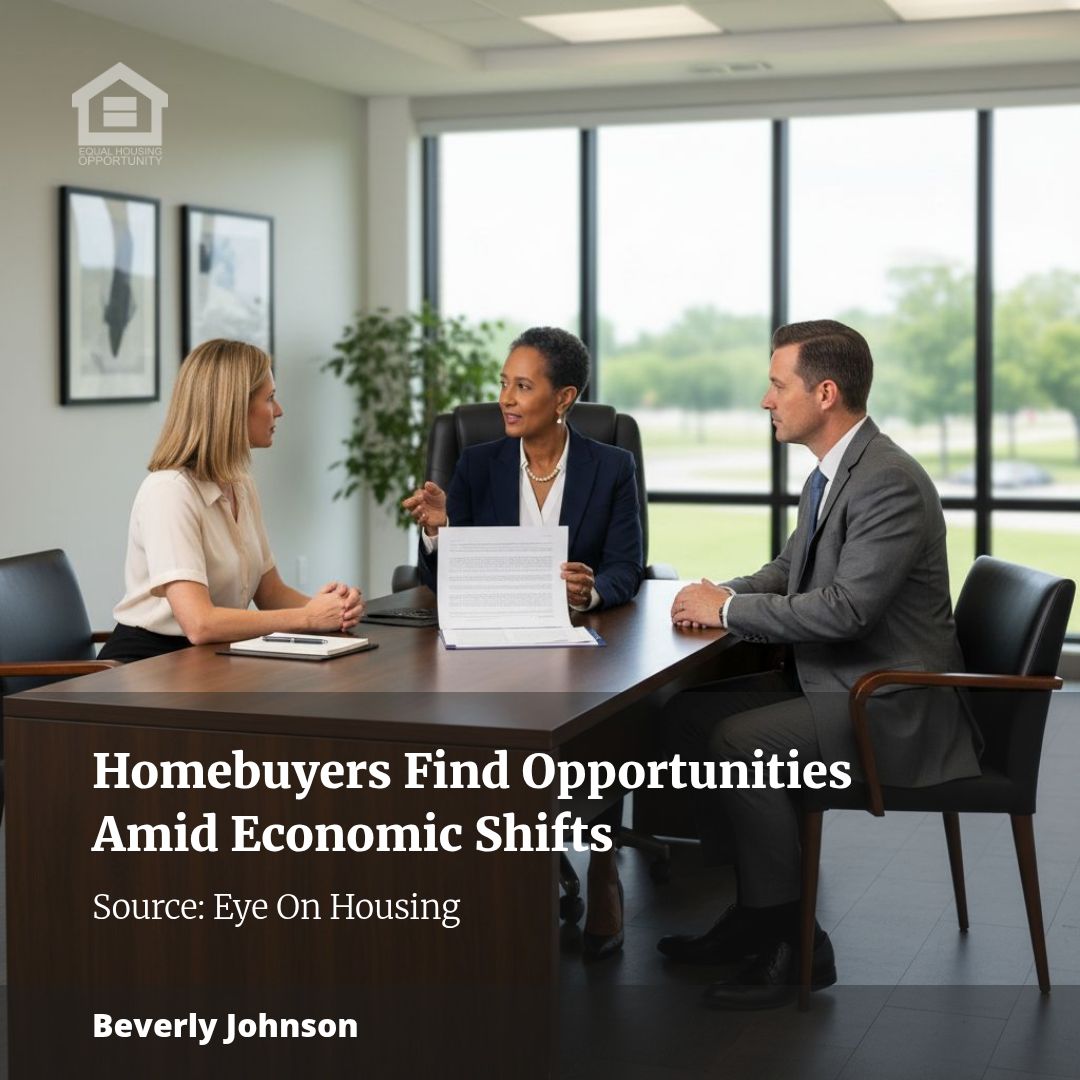
  • Homebuyers Find Opportunities Amid Economic Shifts

    Homebuyers Find Opportunities Amid Economic Shifts

    Navigating the real estate market can feel overwhelming, especially when economic uncertainty and affordability concerns are making headlines. Recently, sales of new single-family homes dropped by 10.5%, reaching 607,000—the slowest pace since January. Higher mortgage rates and questions about the economy are certainly shaping decisions for both buyers and sellers right now. Inventory has ticked up by 1.9% to 488,000 units, giving us a 9.6-month supply, while the median price has eased by 2.3% to $393,800.

    As someone who has guided clients through many market cycles since 1985, I believe informed, careful decisions are always the strongest foundation. Whether you’re considering a move, thinking about new construction, or just trying to understand what these numbers mean for your plans, my focus remains on protecting your interests and providing clarity. Every shift in the market is an opportunity to plan wisely and move forward with confidence.

    Continue to full article

  • The best and worst states for first-time home buyer assistance in 2026

    The best and worst states for first-time home buyer assistance in 2026

    Navigating the world of first-time homebuyer assistance can feel overwhelming, especially with the wide variety of programs offered across different states. Some states provide generous forgivable loans and grants, while others only offer limited, repayable aid—each with its own set of loan terms, income restrictions, and sometimes even benefits like student debt relief. Having been in real estate since 1985, I know firsthand how important it is for buyers—especially first-timers—to understand these differences early on. My focus has always been to protect and guide my clients, making sure you have the information you need to make wise decisions. If you’re considering your first home purchase in 2026, taking the time to compare your state’s assistance options can make a real difference in your buying journey and your financial peace of mind.

    Continue to full article

  • Survey: Home Builder Sentiment Rises in August but Still Weak Overall

    Survey: Home Builder Sentiment Rises in August but Still Weak Overall

    As someone who’s watched the real estate landscape shift over decades in the Northeast Atlanta area, I always keep a close eye on what’s happening with new construction. This August, U.S. home builder sentiment edged up slightly to 35, but it’s clear that builders are still facing real challenges. Economic uncertainty, high mortgage rates, rising construction costs, and increased fuel prices continue to weigh heavily on the industry. To help buyers, many builders are offering price cuts—especially important when inventory is tight and affordability is a concern. When I guide clients through the process of considering a new build, I focus on making sure they know what these numbers mean for their investment and how to navigate today’s unique market pressures with confidence.

    Continue to full article

  • Why Buyers and Sellers Are Stuck

    Navigating today’s real estate market can feel like a balancing act, especially with higher mortgage rates slowing demand and making monthly payments less appealing for many buyers. I’m seeing more folks in Northeast Atlanta pausing their home search, with pending sales losing steam—fewer buyers are ready to move from browsing to making offers. On the flip side, homeowners with low-rate mortgages are understandably hesitant to list their homes, keeping much-needed inventory off the market. This creates a true housing stalemate: buyers are holding out for better payment options, while sellers don’t want to let go of their affordable loans. As someone who’s helped families, seniors, and those facing major life changes through the ups and downs since 1985, I know how challenging these moments can be. My approach is always to keep you informed and protected, so you can make smart real estate decisions—whether you’re buying, selling, or just weighing your next step.